Pool Excavation in Atlanta, GA
Pool excavation services involve the removal of soil and debris to prepare a site for installing a new swimming pool or performing major renovations. This process typically includes digging the foundation for in-ground pools, whether they are concrete, vinyl liner, or fiberglass models. Property owners often request excavation when planning to add a new pool, upgrade an existing one, or address issues related to uneven terrain that may affect the pool’s stability and safety.
Before requesting pool excavation, property owners usually want to understand the scope of the project, including the size and depth of the pool, as well as any potential obstacles like underground utilities, trees, or existing structures. It’s also important to consider local regulations or permits that may be required for excavation work. Proper planning ensures the site is prepared correctly, minimizing surprises during the installation process and helping to achieve the desired outcome for the new pool or renovation.
Many property owners in Atlanta, GA look into Pool Excavation for repairs, replacements, upgrades, and appearance-related improvements.

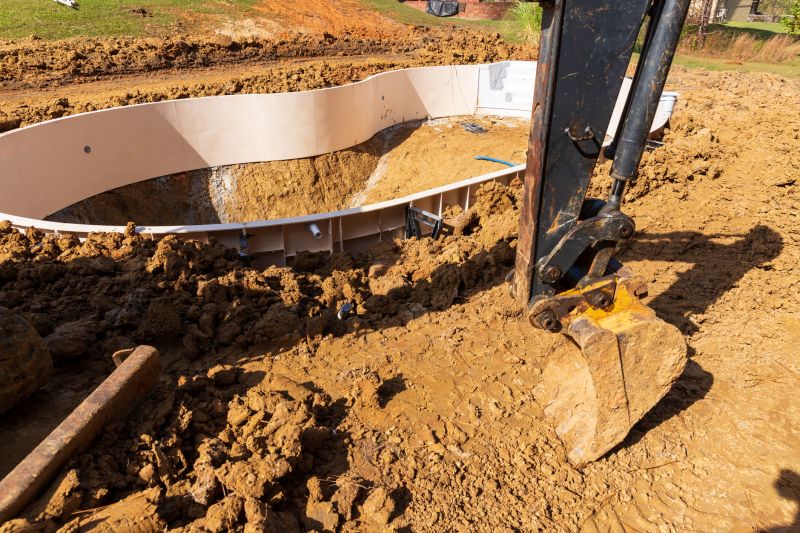
Pool Excavation Planning
Proper site preparation is essential for a safe and durable pool installation.
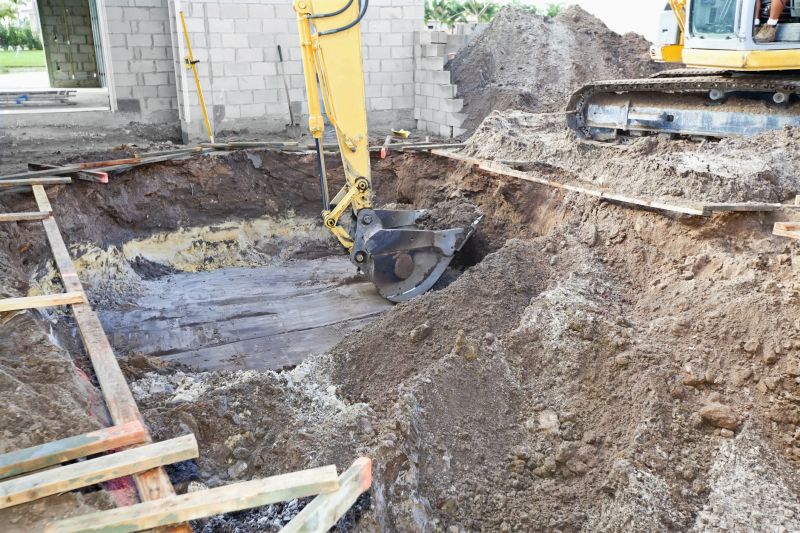
Excavation Techniques
Various methods are used to efficiently remove soil and shape the pool area.

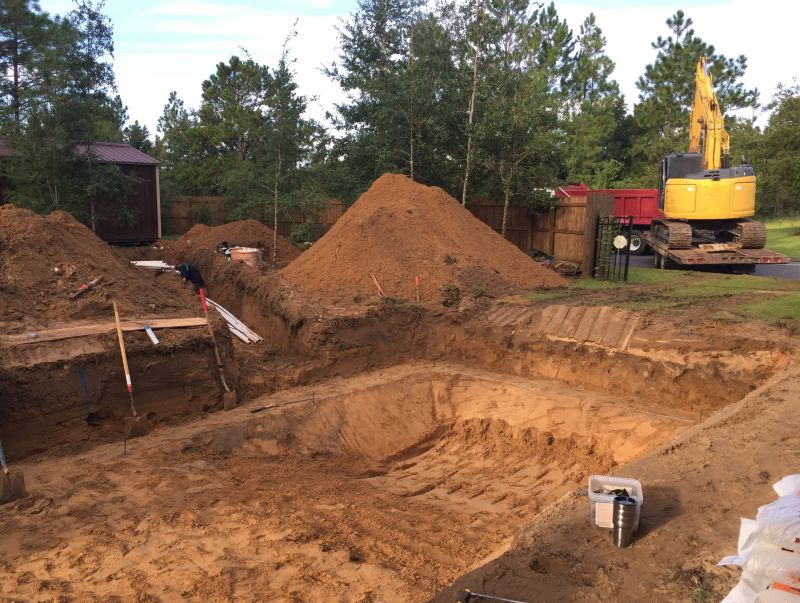
Property Considerations
Understanding land features and drainage helps ensure a stable foundation for the new pool.
Pool Excavation in Atlanta, GA
Pool excavation services involve the removal of soil and debris to prepare a site for installing a new swimming pool or performing major renovations. This process typically includes digging the foundation for in-ground pools, whether they are concrete, vinyl liner, or fiberglass models. Property owners often request excavation when planning to add a new pool, upgrade an existing one, or address issues related to uneven terrain that may affect the pool’s stability and safety.
Before requesting pool excavation, property owners usually want to understand the scope of the project, including the size and depth of the pool, as well as any potential obstacles like underground utilities, trees, or existing structures. It’s also important to consider local regulations or permits that may be required for excavation work. Proper planning ensures the site is prepared correctly, minimizing surprises during the installation process and helping to achieve the desired outcome for the new pool or renovation.
Many property owners in Atlanta, GA look into Pool Excavation for repairs, replacements, upgrades, and appearance-related improvements.
Common Pool Excavation Jobs
Residential pool excavation - prepares the site for new pool installation by removing soil and leveling the area.
In-ground pool removal - involves excavating and removing an existing pool structure for property renovation.
Spa and hot tub excavation - creates a foundation for new hot tubs or spas, ensuring proper depth and support.
Retaining wall excavation - prepares for the installation of retaining walls to manage landscape elevation changes.
Landscape reshaping - modifies the terrain for aesthetic or functional purposes around pool areas.
Drainage and utility trenching - excavates trenches for proper drainage systems and utility lines around pools.


Pool Excavation Questions
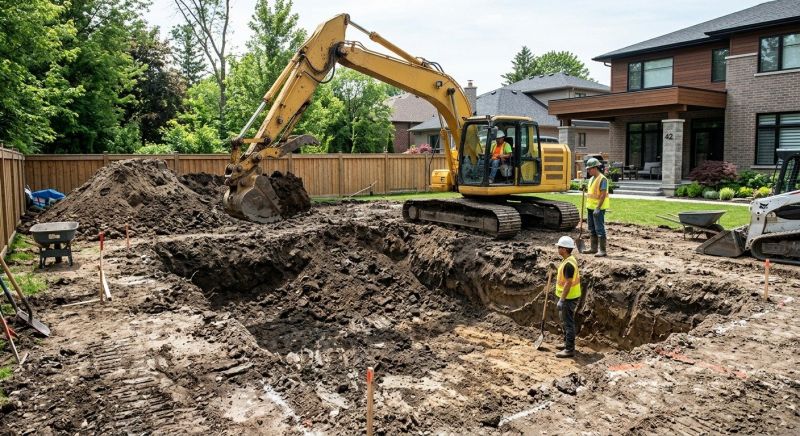
What is involved in pool excavation? The process includes removing soil and preparing the site to create a foundation for the new pool structure.
What types of pools require excavation? In-ground pools, including concrete, vinyl liner, and gunite pools, all need excavation as part of their construction.
How should property owners prepare for excavation work? Clear the area of obstacles and ensure access to the site to facilitate smooth excavation activities.
What factors influence excavation requirements? The size, shape, and type of pool, as well as the property’s terrain, determine the scope of excavation needed.
Request Pool Excavation in Atlanta, GA
Use the quote form on this page to share the basics of your project and request more information for the type of work you need.